
Blog · Electrical Inspection & Testing
What Is an EICR? A Plain-English Guide
Key Takeaways
- An EICR is a formal inspection of a property's fixed electrical installation, not the appliances plugged into it
- It results in a report classified as satisfactory or unsatisfactory, with any issues coded by severity
- Scottish landlords have a legal duty to hold a satisfactory EICR, renewed at least every five years
- A domestic inspection typically takes a few hours and doesn't usually require major disruption
EICR is one of those terms that gets mentioned constantly around property, mortgages, and renting, but rarely gets properly explained. It stands for Electrical Installation Condition Report, and it's essentially a formal health check for the fixed wiring in a building.
Here's what it actually involves, what the results mean, and when you genuinely need one.
What actually gets inspected
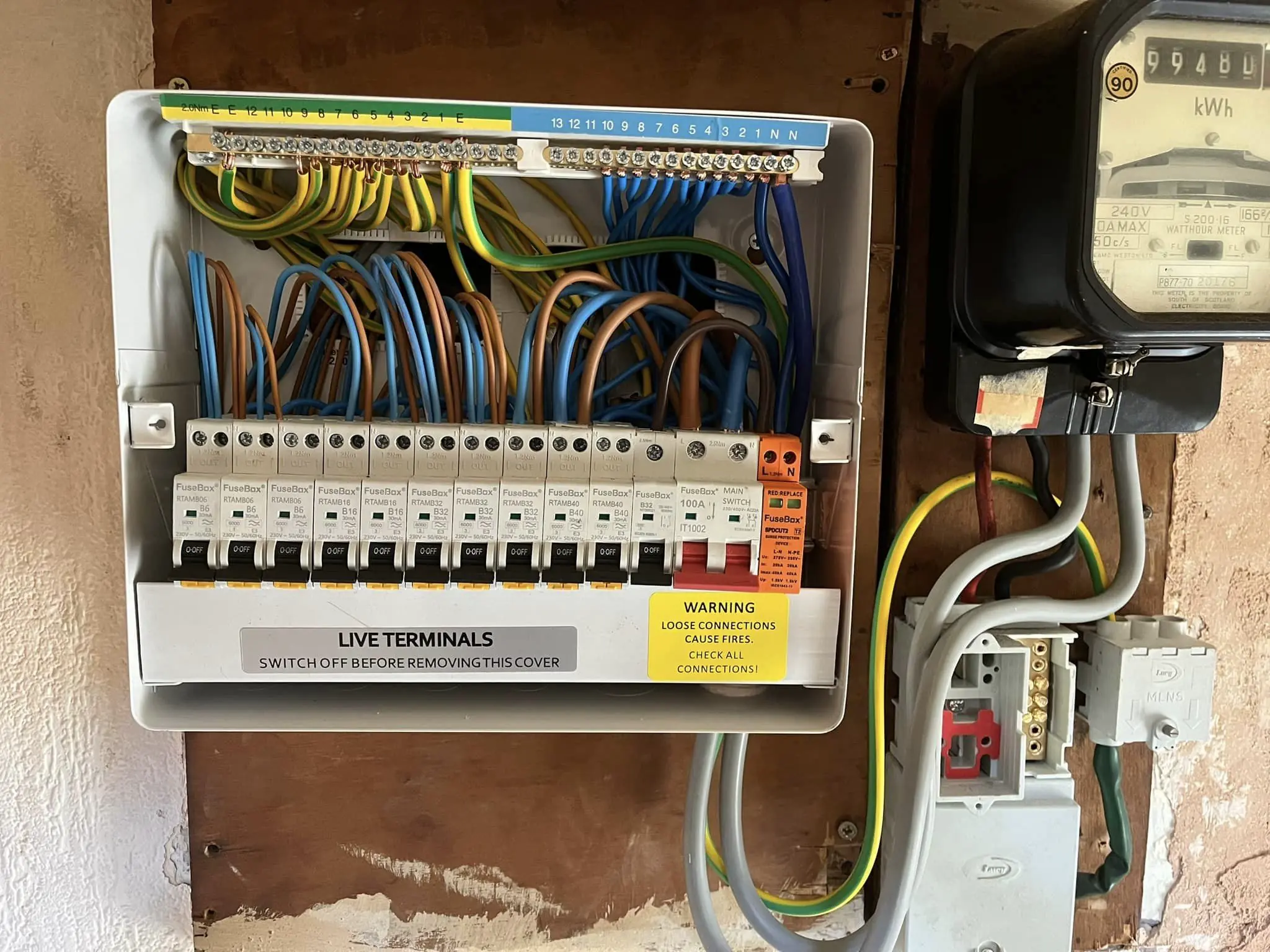
An EICR looks at the fixed parts of a property's electrical installation — the wiring itself, the consumer unit, sockets, switches, and earthing and bonding arrangements. It's not checking your appliances or anything plugged in; that's what PAT testing covers separately.
The inspection combines a visual check with a series of electrical tests: earth continuity, insulation resistance, and how quickly protective devices like RCDs actually trip. It's a proper diagnostic process, not a walk-round with a torch.
What the report classifications mean
The finished report is classified as either satisfactory or unsatisfactory, and any issues found are coded by severity. A C1 means danger present, requiring immediate action. A C2 means potentially dangerous, requiring urgent remedial work. A C3 is an improvement recommended, but not a safety failure in itself. FI simply means further investigation is needed to reach a conclusion on a specific point.
Only C1 and C2 codes make a report unsatisfactory overall — a report with only C3 observations can still be classified satisfactory, which surprises a lot of people expecting a strict pass or fail.
Who actually needs one
Landlords letting residential property in Scotland have a clear legal duty to hold a satisfactory EICR, generally renewed at least every five years. Homeowners aren't legally required to have one, but it's commonly requested by mortgage lenders, insurers, and buyers during a property sale.
How long it actually takes
For a typical domestic property, an inspection usually takes a few hours on-site, with the written report following within a couple of working days. It's not usually disruptive — the electrician isolates circuits briefly for testing rather than cutting power for extended periods.
Electrical Inspection & Testing
EICR reports for landlords, homeowners, and commercial properties.
Electrical Inspection & Testing in Shawlands →Frequently Asked Questions
How is an EICR different from a PAT test?
What happens if my EICR comes back unsatisfactory?
Can I get an EICR done quickly if I need one urgently?
Is an EICR the same as a Building Warrant?
Related Guides

EICR for Landlords in Scotland: The Complete 5-Year Rule Explained
Scottish landlords have a specific legal duty around EICRs that's stricter than a lot of guidance online suggests. Here's what the law actually requires.

How Long Does an EICR Last?
The honest answer depends on who owns the property and what it's used for. Here's the actual timeline for homeowners, landlords, and commercial premises.
How Much Does an EICR Cost in Glasgow?
The honest range for an EICR depends more on property size and circuit count than most people expect. Here's what actually drives the price.
Need This Sorted, Not Just Explained?
Get a free, no-obligation quote today.