
Blog · Electrical Inspection & Testing
Electrical Fault Finding: When to Call an Electrician for Diagnosis
Key Takeaways
- A single trip after plugging in a specific appliance usually points to that appliance, not the wiring
- Repeated, unexplained trips across different circuits are a genuine warning sign worth investigating
- A burning smell from any socket or the consumer unit is a stop-and-call-immediately situation, not a wait-and-see one
- Fault finding is diagnostic work, separate from a full EICR, and is usually faster and cheaper when the problem is active
Not every electrical hiccup means something is seriously wrong, and not every one is safe to ignore either. The difference usually comes down to whether the sign is isolated and explainable, or repeated and unexplained - here's how to tell which is which.
A single trip: usually the appliance, not the wiring
If a circuit trips right when you plug in or switch on a specific appliance - an old kettle, a faulty heater, a lamp with a worn cable - that's usually the appliance itself, not a wiring problem. Unplugging it and testing the circuit normally confirms this quickly.
Repeated, unexplained trips
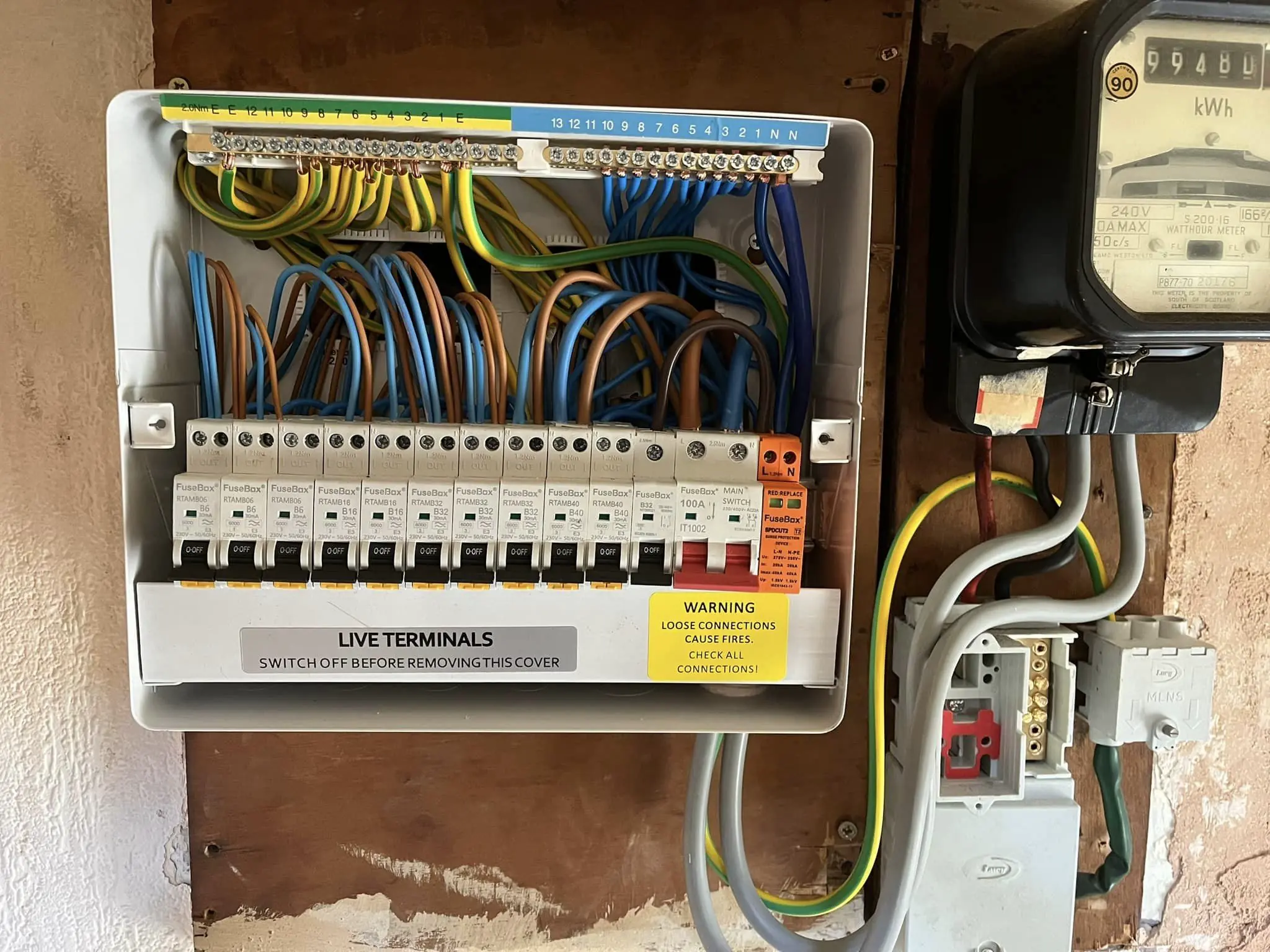
A consumer unit that trips repeatedly with no obvious appliance cause, or trips affecting circuits that shouldn't be connected, points to something in the fixed wiring rather than what's plugged into it - a loose connection, damaged cable, or a circuit carrying more load than it's designed for. This is exactly the kind of pattern that needs proper fault finding rather than repeatedly resetting the trip and hoping.
Flickering or dimming lights
An occasional flicker when a large appliance switches on elsewhere in the property isn't automatically concerning. Regular flickering across multiple rooms, or lights that dim noticeably when something else switches on, usually points to a loose connection or an overloaded circuit somewhere in the system.
Burning smells and warm sockets: stop and call
A burning smell from a socket, switch, or the consumer unit itself is not a wait-and-see situation - switch off the affected circuit at the consumer unit if you can do so safely, and call an electrician straight away rather than continuing to use it. The same goes for a socket or switch that's warm or hot to the touch under normal use.
What fault finding actually involves
Fault finding is targeted diagnostic work - tracing a specific problem to its source, rather than the full inspection of every circuit that an EICR covers. It's usually faster and more straightforward when the fault is currently active, since an intermittent problem that isn't happening on the day can take longer to pin down.
Electrical Inspection & Testing
EICR reports for landlords, homeowners, and commercial properties.
Electrical Inspection & Testing in Milngavie →Frequently Asked Questions
My fuse trips occasionally but resets fine - is that a problem?
Is fault finding the same as an EICR?
What should I do if I smell burning from a socket?
Related Guides
EICR for Landlords in Scotland: The Complete 5-Year Rule Explained
Scottish landlords have a specific legal duty around EICRs that's stricter than a lot of guidance online suggests. Here's what the law actually requires.

7 Signs Your Glasgow Home Needs Rewired
Flickering lights and a trip now and again could be nothing — or they could be your wiring telling you something. Here's what to actually look for.
Consumer Unit Upgrade Cost Guide: Fuse Box vs Modern Board
Still running an old fuse box? Here's what a modern consumer unit actually costs, what you get for it, and when it's genuinely worth doing.
Need This Sorted, Not Just Explained?
Get a free, no-obligation quote today.