
Blog · EV Charger Installation
Installing an EV Charger in Aberdeen and Aberdeenshire: Homes, Flats and Rural Properties
Key Takeaways
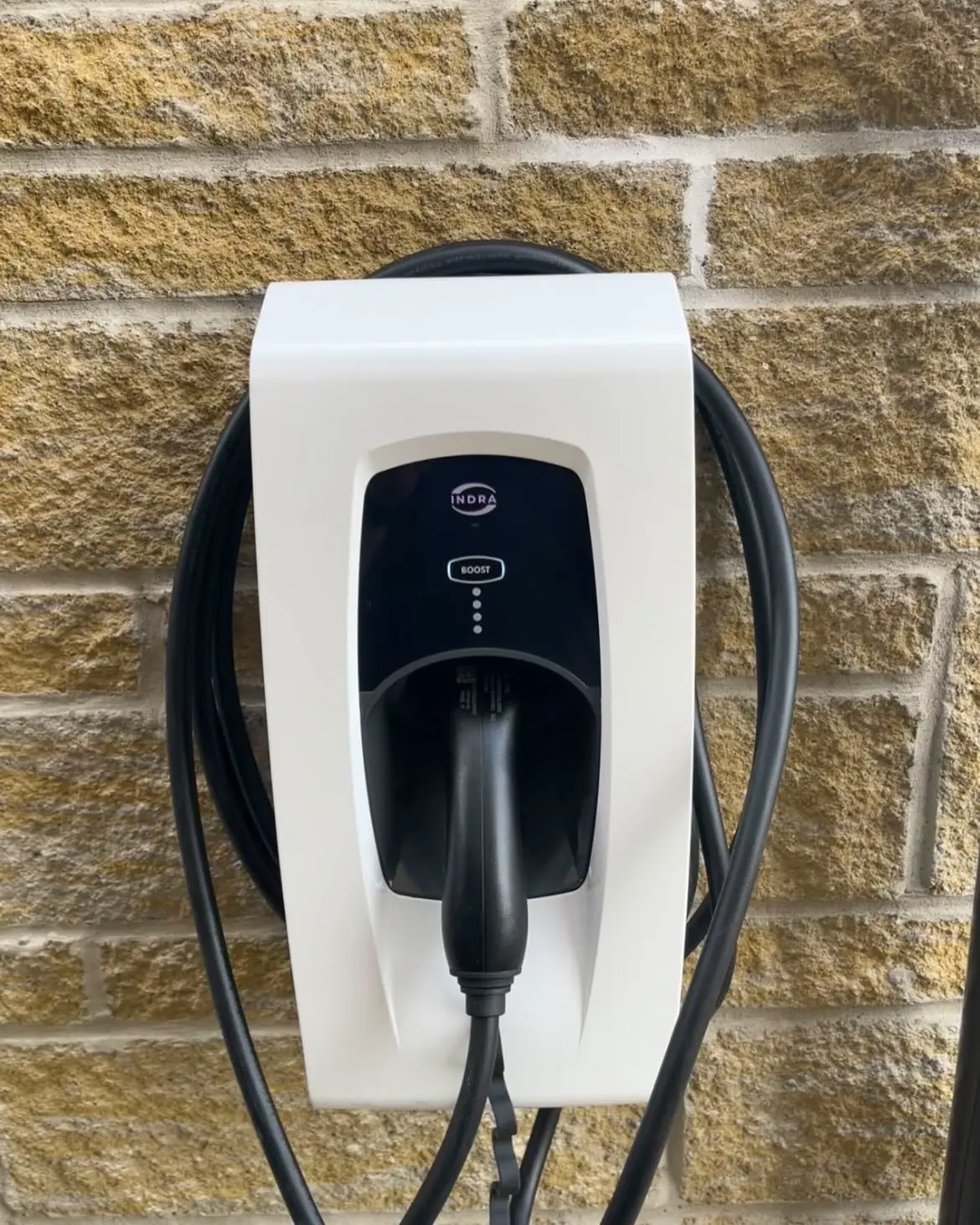
- Most home chargers are 7kW single-phase units on their own dedicated circuit
- The main variables are the distance from the consumer unit to the charger and how the cable can be routed
- Your electricity supply needs enough spare capacity, and in some cases the network operator needs to be notified
- Flats and on-street parking raise extra questions that are worth asking before you buy a car
Electric vehicles are no longer a novelty in Aberdeen and Aberdeenshire, and a lot of people want to charge at home overnight. A home installation is a common job for an electrician, but the best approach depends on where you park and how the property is wired.
Where do you park?
The easiest case is a driveway or garage next to the consumer unit. If the car is parked further away, the cable run gets longer and the cost rises. With granite walls, routing can mean surface-mounted conduit or going via a loft or sub-floor. We can survey and plan the route before quoting.
Supply and consumer unit
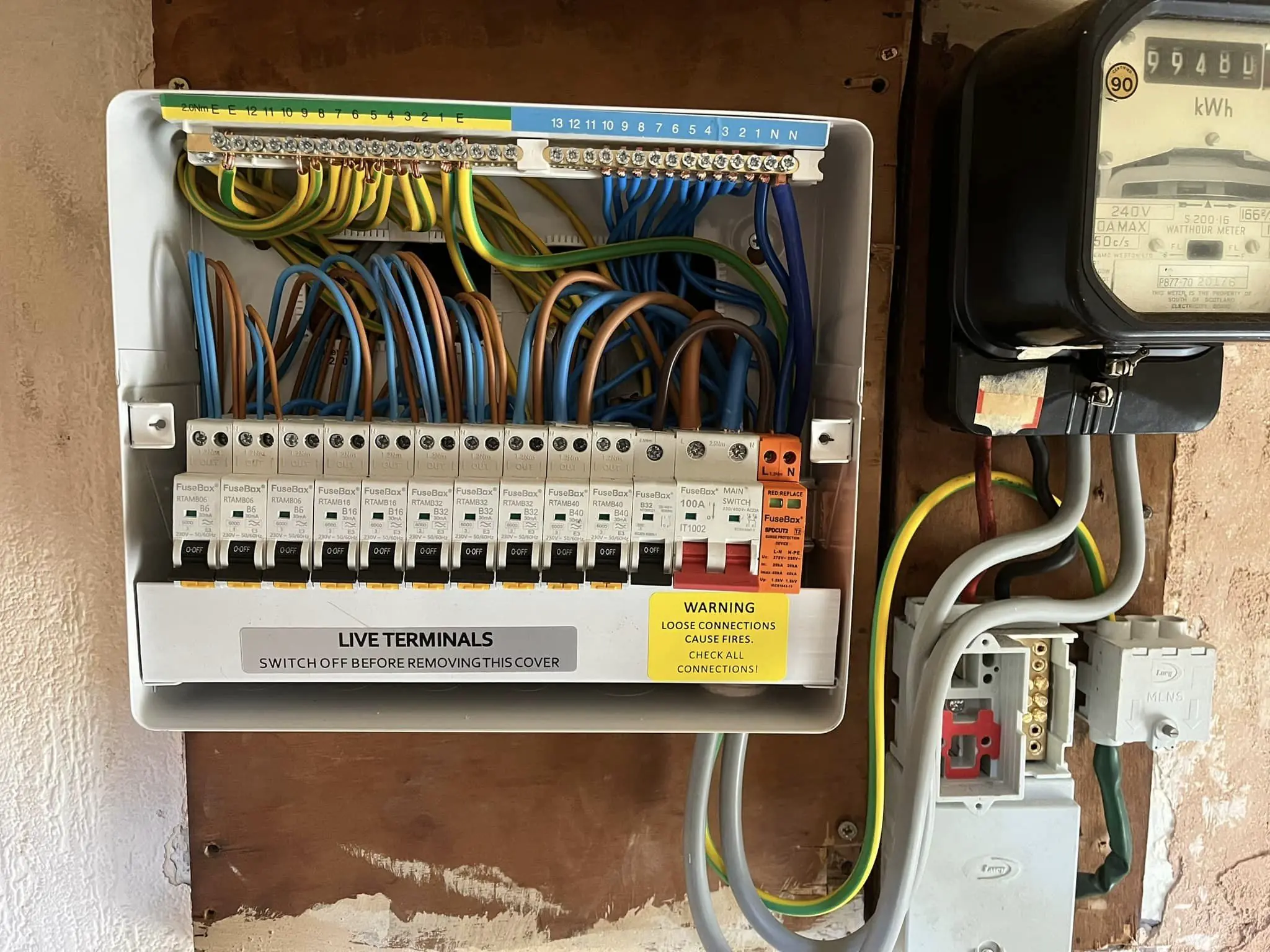
A 7kW charger draws around 32 amps for hours at a time, which is a lot more demanding than most household circuits. We check your main fuse, the condition of the consumer unit and whether the supply can cope. Some properties need a consumer unit upgrade first, and some installations need the network operator to be notified. Our consumer unit upgrade cost guide explains when that happens.
Smart charging rules
Home chargers sold and installed in Great Britain are expected to meet smart charge point requirements, which include features such as scheduled charging. In practice that means choosing a unit that is approved and can be set to charge at cheaper times, if your tariff offers them.
Rural properties
Rural properties in Aberdeenshire often have long cable runs, overhead supplies and different earthing arrangements. These are all manageable but need checking. See our guide to electrical safety for rural Aberdeenshire properties for more on supplies and earthing.
Flats and on-street parking
If you live in a flat or park on the street, installing a home charger is harder. You may need permission from other owners or the factor, and there may be no suitable parking space. Check with your local council, and look at what public charging is available near you before committing.
Grants and costs
Funding for home chargers has changed several times and varies by who you are and where you live. Check the current position with the Scottish Government or Energy Saving Trust before you buy. For typical prices, see our EV charger installation cost guide.
EV Charger Installation
OZEV-compliant home and workplace EV charge point installation.
Electrician in Inverurie →Frequently Asked Questions
How long does it take to install a home EV charger?
Do I need a special tariff?
Do you install EV chargers in Aberdeenshire?
Related Guides
EV Charger Installation Cost Guide: What Glasgow Homeowners Actually Pay
A clear breakdown of what a home EV charger actually costs, what's included in the price, and the three things most likely to push yours higher.
Consumer Unit Upgrade Cost Guide: Fuse Box vs Modern Board
Still running an old fuse box? Here's what a modern consumer unit actually costs, what you get for it, and when it's genuinely worth doing.
Electrical Safety for Rural Aberdeenshire Properties: Earthing, Storms and Outbuildings
Rural properties in Aberdeenshire often have overhead supplies, long cable runs and outbuildings. They also have electrical risks that a town house does not.
Need This Sorted, Not Just Explained?
Get a free, no-obligation quote today.