
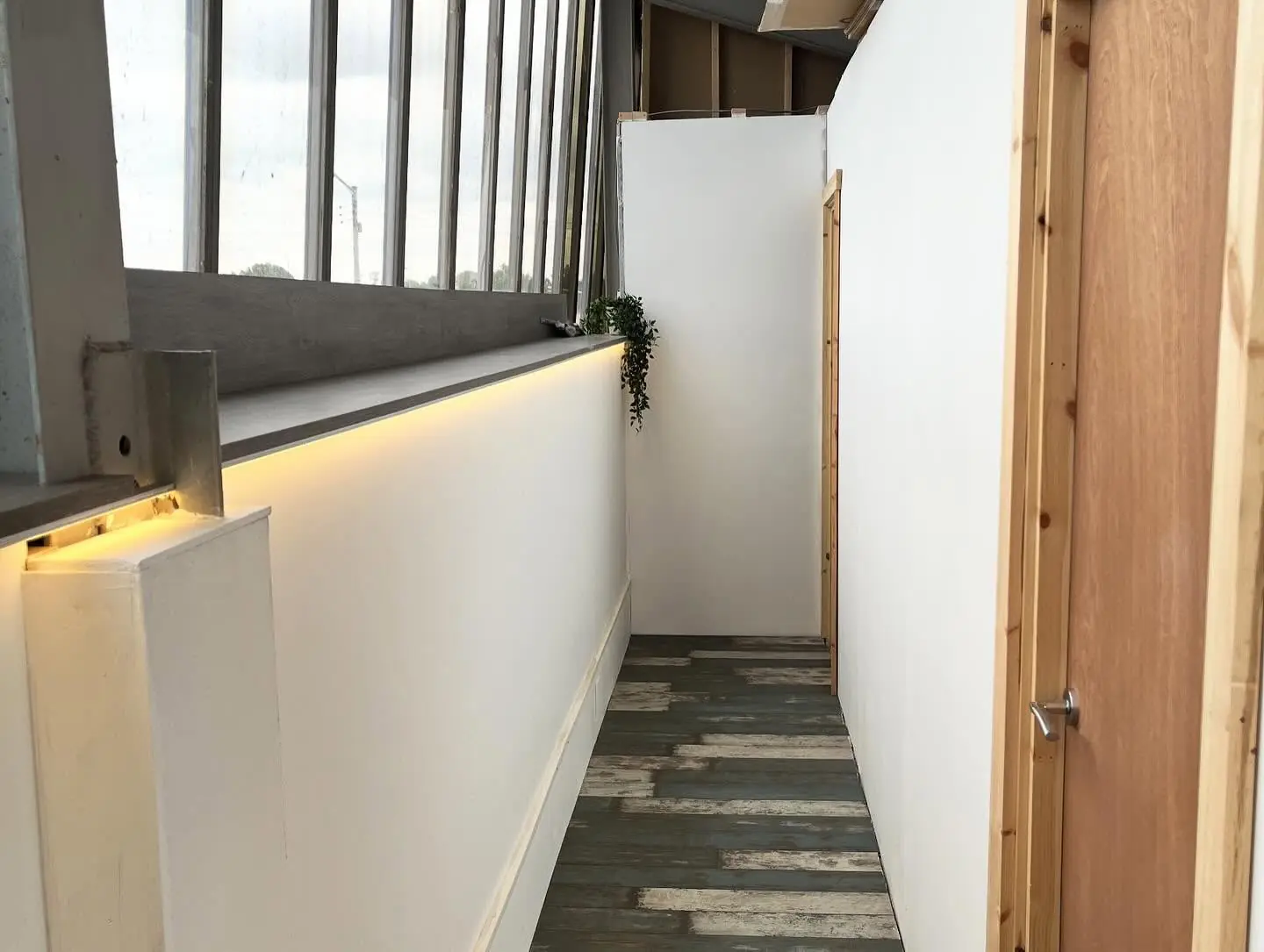
Blog · Commercial Installations & Lighting
The Benefits of Upgrading to LED Lighting in Your Home
Key Takeaways
- LED fixtures use significantly less energy than halogen or incandescent fittings for equivalent brightness
- LEDs last around 15,000-50,000 hours depending on the fitting, far longer than the bulbs they replace
- A whole-home LED upgrade is straightforward with existing fittings in most cases, without needing a rewire
- Dimmable LED fittings need compatible dimmer switches - not every existing dimmer works correctly with LEDs
Most homes still have at least a few rooms running on older halogen or incandescent fittings, usually because nobody's got round to swapping them rather than any real preference for the light quality. The case for LED is straightforward once you look at what it actually changes.
The running cost difference
An LED fitting typically uses a fraction of the energy a halogen equivalent needs for the same brightness. Across a whole home with dozens of fittings running for hours a day, that difference adds up to a genuine, ongoing saving on the electricity bill rather than a marginal one.
How long they actually last
LED fittings commonly last somewhere between 15,000 and 50,000 hours depending on the specific fitting and quality, compared to roughly 1,000-2,000 hours for a halogen bulb. In practical terms, that's the difference between changing bulbs every year or two and barely thinking about it for a decade.
Swapping existing fittings versus a full upgrade
In most homes, upgrading to LED doesn't require a rewire - existing downlight fittings and pendant fixtures can usually take an LED equivalent directly. Where it gets more involved is with older, non-dimmable fittings if you want dimming control, or integrated fittings that need the whole unit replaced rather than just the bulb.
The dimmer compatibility issue
This is the part that catches people out: not every existing dimmer switch works correctly with LED bulbs. Older dimmers are designed for the electrical characteristics of halogen or incandescent bulbs, and can cause LED fittings to flicker, buzz, or fail to dim smoothly. A proper LED upgrade checks and, where needed, replaces the dimmer itself, not just the bulbs.
Where it makes the most difference
Rooms with lights on for long stretches - kitchens, living rooms, hallways with frequent use - see the biggest practical benefit. Rooms used briefly, like a box room, see less of a difference in absolute terms, though the longevity benefit still applies everywhere.
Commercial Installations & Lighting
Electrical fit-outs and lighting for offices, shops, and units.
Commercial Installations & Lighting in Newton Mearns →Frequently Asked Questions
Will LED bulbs work in my existing light fittings?
Is an LED upgrade a big job?
Do LED fittings run cooler than halogen?
Related Guides
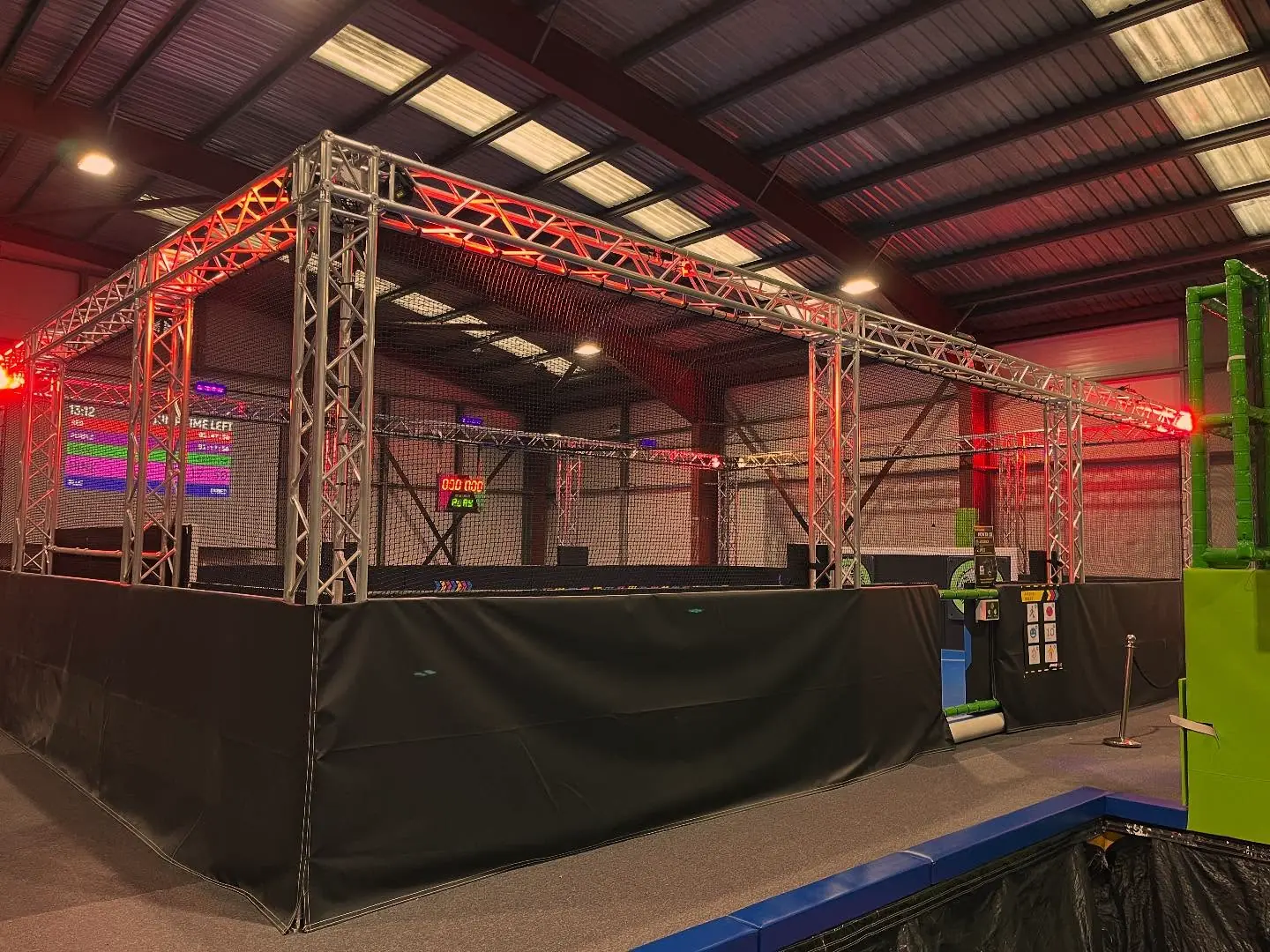
How Much Can Your Business Save by Upgrading to LED Lighting?
LED isn't just a bulb swap — it's usually one of the fastest-paying-back upgrades a commercial property can make. Here's the real numbers.
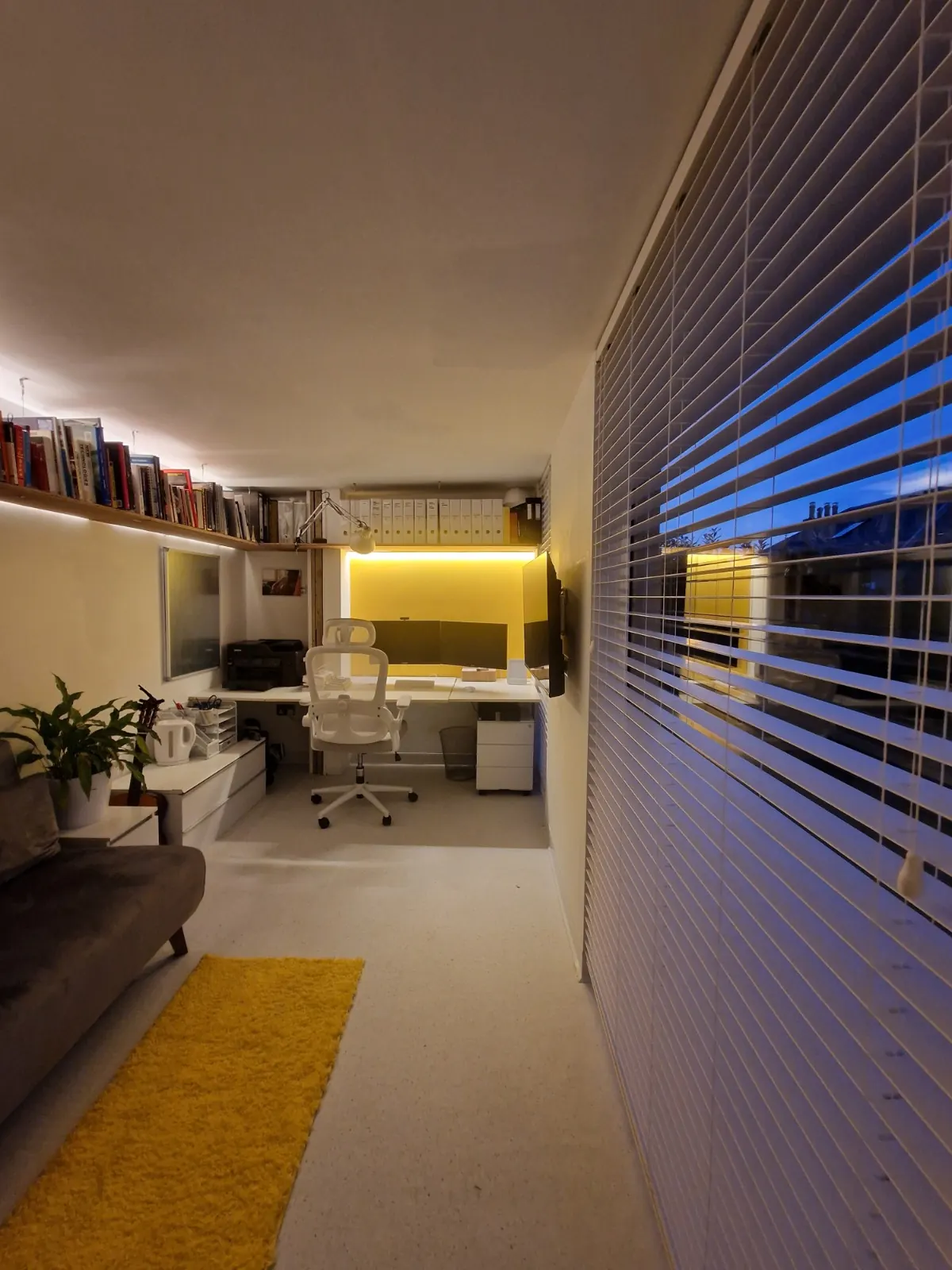
Smart Lighting Explained: From Simple Dimmers to Full Home Automation
Smart lighting ranges from a simple app-controlled dimmer to a fully automated home. Here's what each level actually involves and needs, wiring-wise.
Kitchen Renovation Electrics: What to Plan Before Your Fitter Arrives
Get the electrics agreed before your kitchen fitter starts, not during — here's exactly what needs planning and why.
Need This Sorted, Not Just Explained?
Get a free, no-obligation quote today.