
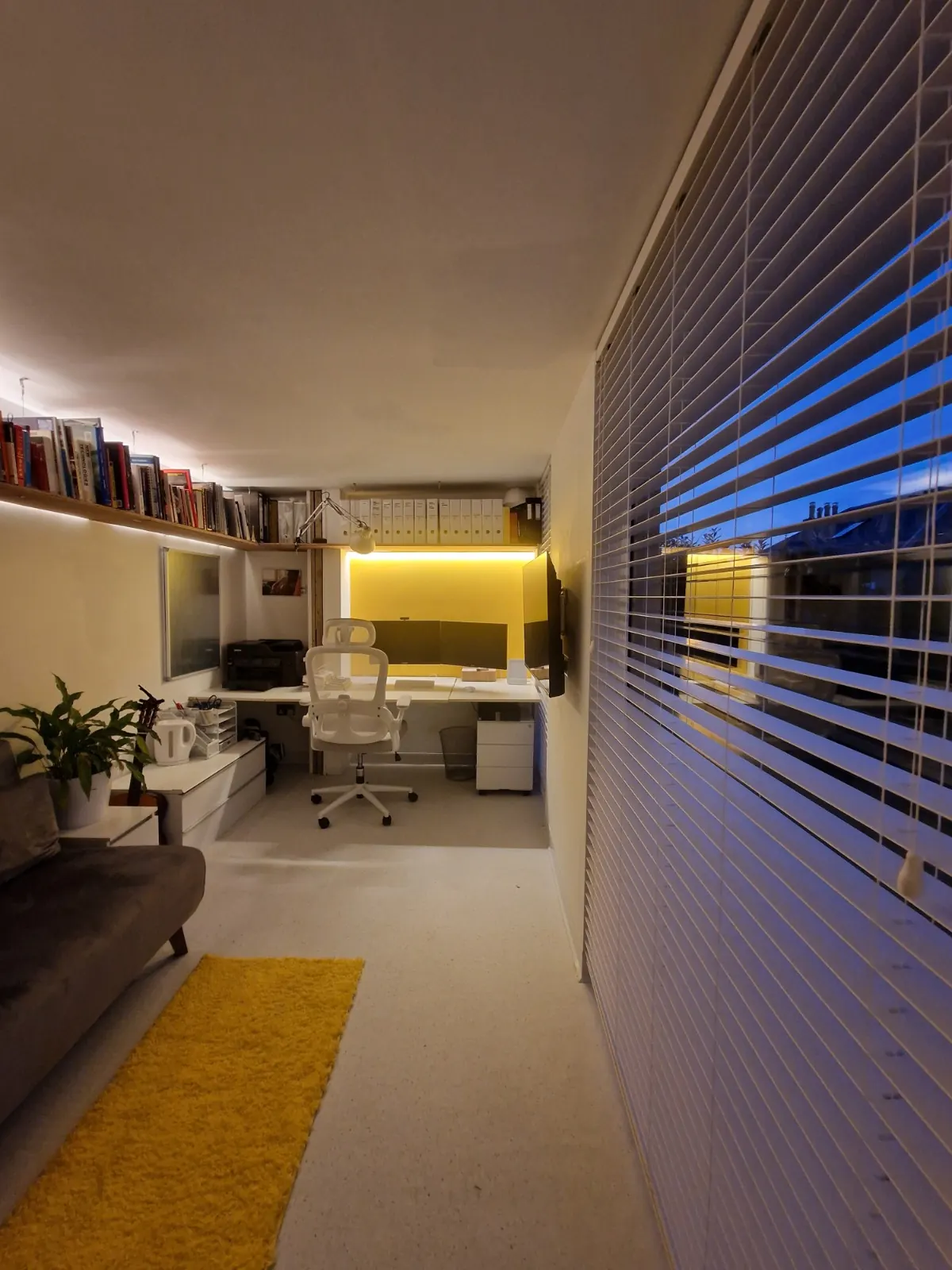
Blog · Commercial Installations & Lighting
Smart Lighting Explained: From Simple Dimmers to Full Home Automation
Key Takeaways
- Smart lighting isn't one thing - it ranges from a single app-controlled dimmer to a fully automated whole-home system
- Most smart switches and dimmers need a neutral wire at the switch, which older properties sometimes don't have
- Retrofitting smart lighting is usually more disruptive than planning for it during a rewire or renovation
- Full home automation ties lighting into heating, security, and other systems, and is worth planning centrally rather than room by room
"Smart lighting" covers a much wider range than most people expect, from a single dimmer you can control from your phone through to a fully automated home where lighting, heating, and security all talk to each other. Which level makes sense depends less on budget and more on what your property can actually support without a lot of extra work.
Level one: smart bulbs and plugs
The simplest entry point needs no rewiring at all - smart bulbs and smart plugs work with your existing wiring and switches, controlled via an app or voice assistant. The trade-off is that a standard wall switch can cut power to a smart bulb entirely, so it works best where people are consistent about leaving switches on.
Level two: smart switches and dimmers
A proper smart switch or dimmer replaces the physical switch itself, which is more reliable day to day but has a real wiring requirement: most smart switches need a neutral wire present at the switch position, which older properties - particularly pre-2000s wiring - sometimes don't have. This is exactly the kind of thing worth checking before you commit to a specific product.
Level three: whole-room or whole-home lighting control
Beyond individual switches, a proper lighting control system lets you set scenes across a whole room or property - all lights to a warm, dim setting for an evening, for instance, rather than adjusting six switches individually. This is where planning ahead genuinely pays off, since running the right cabling during a rewire or renovation is far simpler than retrofitting it into finished walls afterwards.
Level four: full home automation
At the top end, lighting integrates with heating, security, and other systems into a single automated setup - lights that respond to occupancy sensors, heating that adjusts alongside lighting scenes, security lighting that ties into an alarm system. This is worth designing centrally from the start rather than bolting systems together room by room, since the value comes from how well the systems talk to each other.
The best time to plan for it
If you're already having a rewire, a kitchen renovation, or an extension done, that's the point to decide how far up this scale you want to go - running extra cabling and neutral wires while walls are already open costs a fraction of what it costs to add later.
Commercial Installations & Lighting
Electrical fit-outs and lighting for offices, shops, and units.
Commercial Installations & Lighting in Glasgow City Centre →Frequently Asked Questions
Do I need a neutral wire for all smart lighting?
Can smart lighting be added to an older property without a rewire?
Is smart lighting worth doing during a renovation rather than after?
Related Guides
Kitchen Renovation Electrics: What to Plan Before Your Fitter Arrives
Get the electrics agreed before your kitchen fitter starts, not during — here's exactly what needs planning and why.
Electrical First Fix Checklist: What to Plan Before Your Extension or Loft Conversion
First fix is the point of no return before plastering — get it wrong and you're chasing out fresh walls. Here's what to plan in advance.
How Much Can Your Business Save by Upgrading to LED Lighting?
LED isn't just a bulb swap — it's usually one of the fastest-paying-back upgrades a commercial property can make. Here's the real numbers.
Need This Sorted, Not Just Explained?
Get a free, no-obligation quote today.