

Blog · Three-Phase Power Installations
Three-Phase Distribution Boards: What Glasgow Businesses Need to Know
Key Takeaways
- Three-phase power supplies more consistent, higher capacity power than the single-phase supply most homes and small shops use
- It's genuinely required for certain equipment - larger motors, some catering equipment, industrial machinery - rather than a general upgrade for its own sake
- Getting a three-phase supply installed usually involves your network operator, not just an internal electrical upgrade
- Load balancing across the three phases matters for getting full value from the supply
Three-phase power gets asked about a lot more than it's actually needed. Here's a straightforward explanation of what it is, and how to tell whether your business genuinely needs it or is fine on a standard single-phase supply.
What three-phase power actually is
Standard single-phase power, which supplies most homes and small commercial units, delivers power on one alternating waveform. Three-phase power delivers three separate waveforms offset from each other, which provides more consistent, higher-capacity power delivery - genuinely useful for equipment that needs a stable, heavy load rather than the smaller draws typical of a home or small shop.
What genuinely needs it
Larger electric motors, some commercial catering equipment, industrial machinery, EV rapid chargers, and larger air conditioning or refrigeration plant are common cases where three-phase is genuinely required, not optional. If your business runs equipment specified by its manufacturer as requiring three-phase, that's usually the clearest signal.
What doesn't need it
Most retail units, offices, and small hospitality premises run perfectly well on a single-phase supply, even with a reasonable amount of lighting, computers, and standard equipment. Three-phase isn't a general-purpose upgrade for a business that's simply grown - it's specifically for equipment with that requirement.
Getting a three-phase supply installed
Unlike an internal distribution board upgrade, getting three-phase power to a property usually involves the local electricity network operator, since it often means a new or upgraded supply connection, not just internal wiring changes. This makes the process, and the timeline, different from most other electrical upgrades - it's worth planning for well ahead of when you actually need the equipment running.
Load balancing across phases
Once a three-phase supply is in place, getting proper value from it depends on balancing the load reasonably evenly across all three phases rather than concentrating everything onto one. This is something to plan into the distribution board design from the start, not an afterthought once equipment is already connected.
Three-Phase Power Installations
Three-phase supply installations, distribution boards, and upgrades for commercial and industrial premises.
Three-Phase Power Installations in Giffnock →Frequently Asked Questions
How do I know if my equipment needs three-phase power?
Is getting three-phase power installed a quick process?
Does three-phase cost more to run than single-phase?
Related Guides
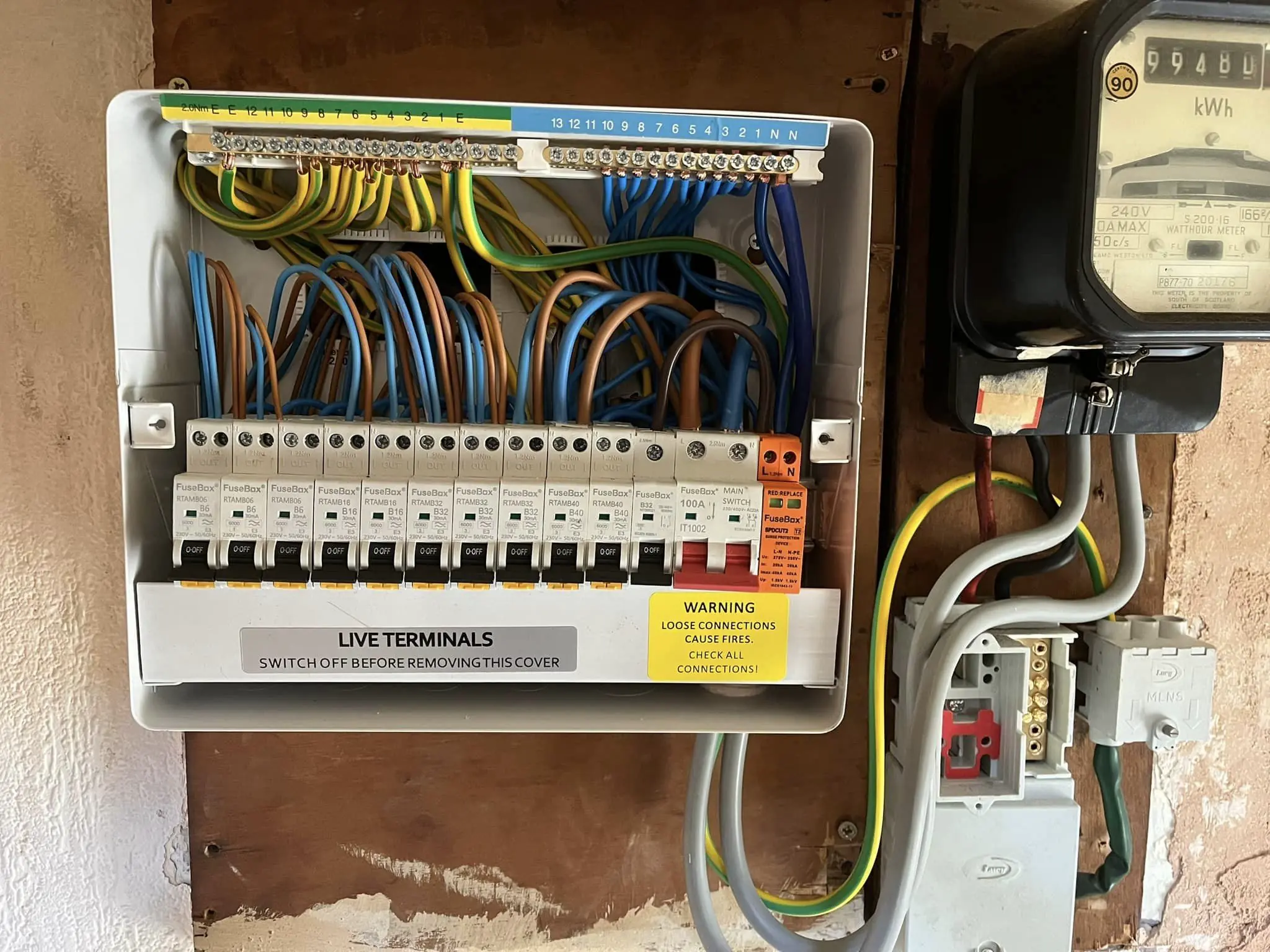
Distribution Board Upgrades: The Complete Guide for Glasgow Businesses
An outdated or under-protected distribution board is a genuine liability for a business, not just an aging fixture. Here's when to prioritise an upgrade.

Warehouse Electrical Installation: The Complete Planning Guide for Glasgow Businesses
Warehouse electrics involve a different scale of planning than a standard commercial fit-out. Here's what actually needs deciding before work starts.
RCBO vs Dual RCD Distribution Boards: Which Protection Does Your Business Need?
Choosing between a dual RCD board and a full RCBO board affects how much of your business loses power when one circuit faults. Here's the real difference.
Need This Sorted, Not Just Explained?
Get a free, no-obligation quote today.