
Key Takeaways
- An RCBO combines the functions of an RCD (shock protection) and an MCB (overload protection) in a single device
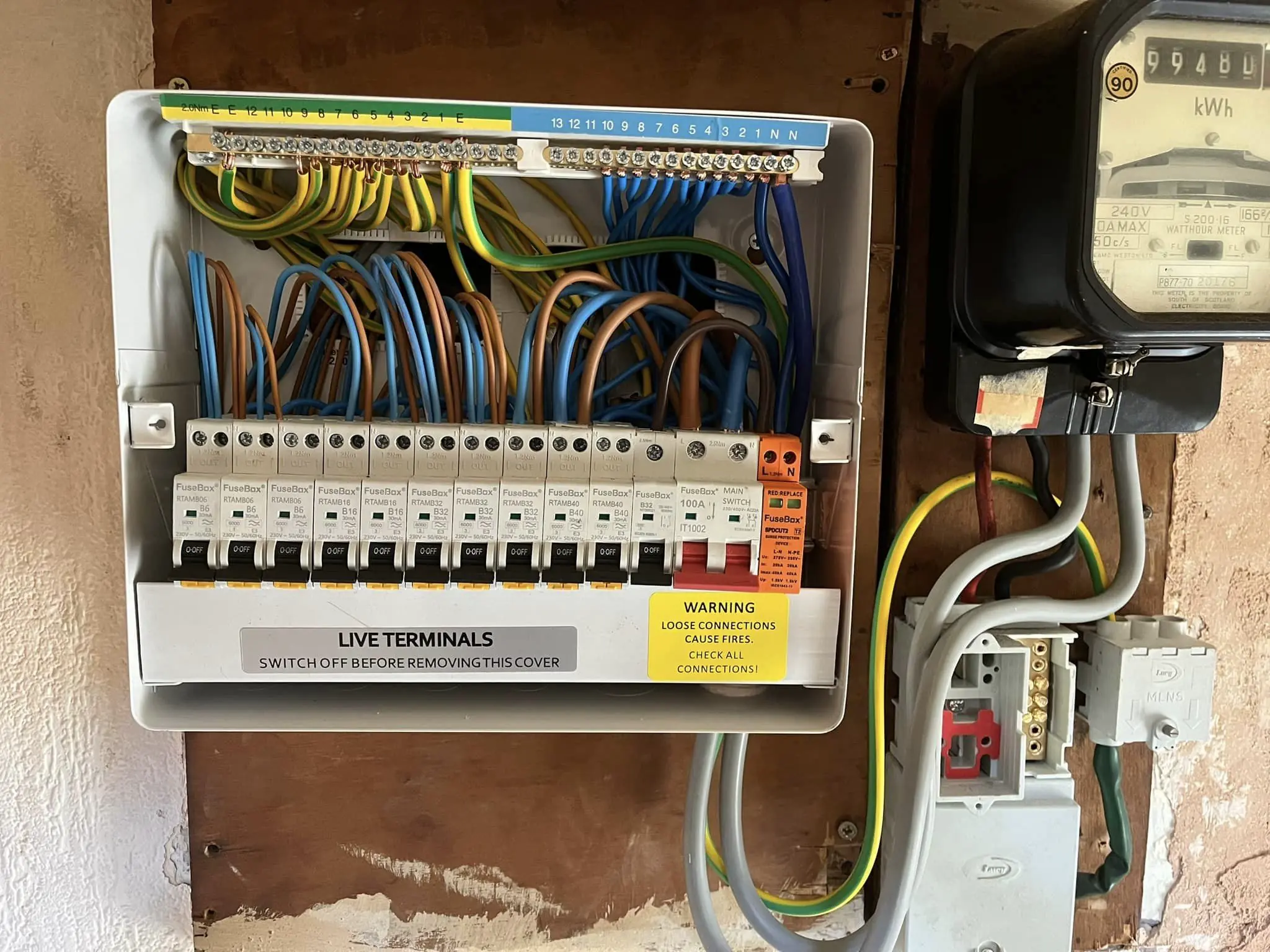
- Modern consumer units typically fit one RCBO per circuit, rather than sharing an RCD across several
- This means a fault on one circuit trips only that circuit, not several at once
- RCBOs are more expensive per circuit than a shared RCD setup, but offer better fault isolation
RCBO is one of those acronyms that shows up on a quote and rarely gets unpacked properly, mostly because it's really two other acronyms combined into one device — RCD and MCB.
Here's what it actually means, and why it's become the standard for modern consumer units.
Breaking down what it combines
RCBO stands for Residual Current Breaker with Overcurrent protection. It combines what an MCB does — protecting against overload and short-circuit current that could cause a fire — with what an RCD does — detecting current leaking to earth that could cause an electric shock. One device, two jobs.
Why this matters compared to an older setup
Older consumer units often used a single shared RCD covering several circuits at once, alongside separate individual MCBs. The problem with that setup is that a fault on any one of those circuits trips the shared RCD, which takes out every circuit connected to it — lights, sockets, and everything else on that side of the board goes off together.
With an RCBO fitted per circuit, a fault on your kitchen sockets trips only the kitchen sockets. The rest of the property, including the lights, stays on. It's a genuinely practical improvement, not just a technical upgrade.
Why not every consumer unit has always used them
Cost is the main reason — RCBOs are individually more expensive than plain MCBs paired with a shared RCD, so older installations, especially in properties fitted out before RCBOs became the practical standard, often used the cheaper shared arrangement instead.
What this means for a consumer unit upgrade
When we upgrade an older board, moving to individual RCBOs per circuit is standard practice now, not an optional extra — it's a meaningfully better setup for very little extra cost once you're already replacing the whole unit.
Consumer Unit Upgrades
Modern, RCD-protected consumer units to replace old fuse boards.
Consumer Unit Upgrades in Newton Mearns →Frequently Asked Questions
Do I need to replace my whole consumer unit to get RCBOs?
Are RCBOs more likely to trip than a shared RCD?
Is RCBO protection a legal requirement?
Can I mix RCBOs and standard MCBs in the same board?
Related Guides
What Is an RCD and Why Does It Matter?
RCD gets mentioned on every electrical report but rarely explained. Here's what it actually does, how it differs from a fuse, and why it's the single biggest safety upgrade in most older homes.
What Is Surge Protection, and Do You Actually Need It?
Surge protection gets offered on almost every consumer unit quote now. Here's what it actually protects against, and how to judge whether it's worth it for your home.
Consumer Unit Upgrade Cost Guide: Fuse Box vs Modern Board
Still running an old fuse box? Here's what a modern consumer unit actually costs, what you get for it, and when it's genuinely worth doing.
Need This Sorted, Not Just Explained?
Get a free, no-obligation quote today.