
What Is Surge Protection, and Do You Actually Need It?
Key Takeaways
- A surge protection device (SPD) guards against sudden voltage spikes reaching your home's electronics
- Surges can come from lightning strikes, the grid itself, or even large appliances switching off nearby
- UK wiring regulations now require an SPD risk assessment on new and upgraded consumer units
- It's a one-off fit into the consumer unit, not something added per appliance
Surge protection has gone from a rarely-mentioned extra to something offered on nearly every consumer unit upgrade quote, and understandably, people want to know whether it's a genuine necessity or an upsell.
Here's what it does, and how the current regulations actually treat it.
What a power surge actually is
A power surge is a brief, sudden spike in voltage above the normal supply level. It can come from a lightning strike near the property, switching events on the wider electricity grid, or even large appliances and motors switching off elsewhere in the building, which can send a brief spike back through shared wiring.
These spikes are usually far too brief to trip a breaker, but they can be more than enough to damage sensitive electronics — think TVs, boilers with electronic controls, and anything with a circuit board.
What a surge protection device does
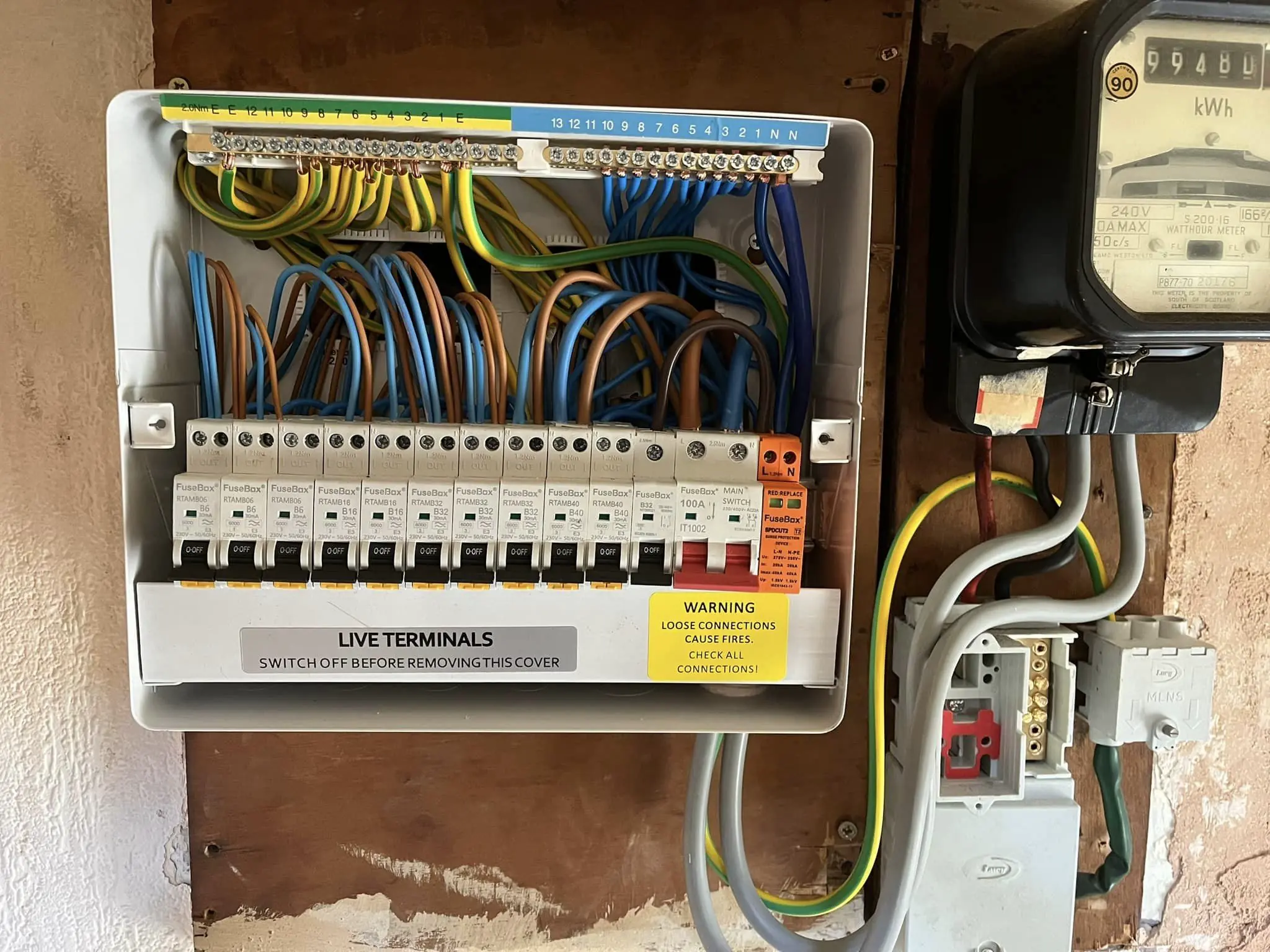
A surge protection device (SPD) sits in the consumer unit and diverts excess voltage safely to earth before it can reach the circuits feeding your sockets and appliances. It's a single component fitted once, rather than something you'd need on every individual plug.
Is it actually required?
Current UK wiring regulations require an SPD risk assessment whenever a consumer unit is installed or upgraded, weighing factors like the consequences of a surge (data loss, safety systems, etc.) against the likelihood of one occurring. In many cases, particularly properties with a lot of connected electronics or in areas more exposed to lightning activity, that assessment concludes an SPD is genuinely warranted, not just a nice-to-have.
What it doesn't cover
An SPD protects against external and grid-related surges, not a direct lightning strike on the property itself, and it doesn't replace good practice like unplugging genuinely sensitive equipment during severe storms. It's one solid layer of protection, not a total guarantee.
Consumer Unit Upgrades
Modern, RCD-protected consumer units to replace old fuse boards.
Consumer Unit Upgrades in East Kilbride →Frequently Asked Questions
Can surge protection be added without a full consumer unit upgrade?
Does surge protection stop appliances breaking from everyday use?
Is surge protection worth it for a small flat?
How much does adding an SPD typically cost?
Related Guides
What Is an RCD and Why Does It Matter?
RCD gets mentioned on every electrical report but rarely explained. Here's what it actually does, how it differs from a fuse, and why it's the single biggest safety upgrade in most older homes.
What Is an RCBO? RCD vs RCBO Explained
RCBO is one of the more confusing acronyms in home electrics — mostly because it's doing the job of two older devices at once. Here's what it means in practice.
Consumer Unit Upgrade Cost Guide: Fuse Box vs Modern Board
Still running an old fuse box? Here's what a modern consumer unit actually costs, what you get for it, and when it's genuinely worth doing.
Need This Sorted, Not Just Explained?
Get a free, no-obligation quote today.